

Bunk Beds - A Fun and Practical Way to Furnish Your Kid's Room
If you're looking for a fun and practical way to decorate your child's bedroom, bunk beds are an excellent choice. They're great for kids who love to play games, build forts, or even use them for homework.
Some designs have built-in desks and shelves, which can provide additional storage. These options may cost more, but they're worth it when you consider the convenience they can provide to your child.
1. Extra Space
Although bunk beds are often thought of as a decor for kids, their capacity to save space makes them an excellent option for any room. They can be used to make small spaces appear larger and provide efficient storage and organization solution.
There are a variety of bunk beds, so you need to select the one that is the best fit for your needs. Some designs have drawers as well as dressers to store extra items. Certain designs are designed to maximize the space in your bedroom but still provide enough sleeping room.
If you're seeking a bed with plenty of storage space, consider three-bunk beds that have drawers beneath the bed. They can help you remove clutter from your bedroom for your child, making it easy for them to keep their space neat and tidy.
Another alternative is hidden bunk beds that are stowed away against the wall when not in use. These are ideal for small spaces, and often come with a desk that can be tucked away when not in use.
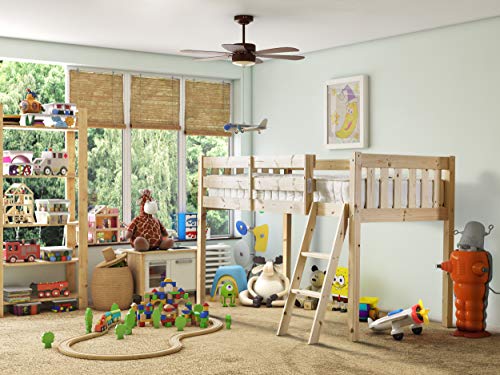
These are a great option for rooms that do double duty, like a home office that could be turned into a guest space when guests are invited. The bottom bunks pull out from the wall, leaving a void underneath which can be used as a seating area or as an area to store books and other decorative items.
Think about a bunk bed that has a twin or full size mattress if you're looking for a way to provide your child with plenty of sleeping space. This will allow your children more space to stretch and relax and help them sleep better in their new bedroom.
2. Convenience
Bunk beds are a convenient way to make more space in your child's room. They have a sturdy frame to support two or more bunks, and typically come with an incline or ladder to get to the top bed. They also feature guard rails to protect against accidents and falls that could harm sleepers.
The ability to convert bunk beds into two beds is another advantage. This is a great choice for parents who have kids with lots of toys and play equipment.
There are a variety of designs and colors of bunk beds available to choose from. They can be traditional, with darker woods and more intricate details or they can be modern and sleek with clean lines.
They are a great option for families with limited space and are perfect for sleepovers that are cozy. They are also ideal for those who reside in dorms or temporary apartments and want to get more value from their living space.
Be sure to study the directions prior to buying a bunk bed. You will receive all the details about the bunk bed you want and safety guidelines.
You could also ask the salesperson to help you choose a bunk bed that will meet your family's needs and budget. This will help you save time and help you purchase the right bed for your kids.
After you have a bunk bed, be sure that your children are taught how to safely and cautiously climb the ladder. Avoid allowing your children to hang anything on the top bunk. bunk bed for kids can cause strangulation or injury.
3. Fun for Kids
Bunk beds can be a great place for children to dream and play. With some imagination, bunk beds can be transformed into a private retreat where they can play games and read books or just relax.
A bunk bed fort is a great idea for kids to try. By tucking in a sheet over the top bunk of their bed, they can transform their bedroom into a tent with cushions, fairylights and a imaginative play.
Installing slides is another way to transform the bunk bed into an exciting play area. Slides can be put on the side of the bunk bed, so that children can slide down instead of climbing up the ladder. This can be an excellent way to give kids a bit of fun while also saving time in the morning when they can descend to the floor quickly and safely.
To prevent accidents, ensure that your children are informed about the proper use of the ladders or bed. Don't let your child bounce or play roughhouse on the top bunk or use a cushion to rest on it.
This will prevent children from falling off the top bunk and hurting themselves. This will prevent the kids from falling off of the top bunk and causing injuries to themselves.
To ensure your child's safety be sure to not let them sleep on the top bunk before they are six years old. This is because children who are too young to be responsible for climbing ladders or playing on a bed that is elevated are at risk of falling or bumps, as well as other accidents.
4. Ideal Beds for Sleepovers
Bunk beds are perfect for sleepovers since they provide the space-saving option and many designs. They are great for siblings sharing a bedroom, children with different ages, students at college, or anyone else looking to share an area with family or friends.
They're also a great way to save space in a guest room in the event that you have many children visiting. You don't want everyone crammed into a single bed. In fact, many children enjoy sleeping in bunk beds for occasions like sleepovers. Some even prefer them to the twin bed.
Consider your child's age and the amount of weight they can bear when selecting a bunk bed. The top bunk must be sturdy enough to accommodate heavier children or teenagers.
Also, think about whether your children will utilize the top bunk to play. This is a fun and simple method to build an fort, castle, pirate ship or anything else your kids can think of.
If your child has special needs, such as physical limitations or a physical disability, then a bunk bed with an element of safety is the best option. You can find bunk bed with stairs, or slides that let your child safely climb to the top bunk.
A sturdy railing on the top bunk is a security feature that can prevent younger and older kids from falling out of bed. If your child is susceptible to sleepwalking rails can be added to prevent them from rolling off the sides of the bed.
The ideal bunk bed is one that can meet the needs of your children and allows everyone to rest comfortably. There are plenty of choices available, so you can easily find the perfect bed for your kids.
5. childrens bunk beds come with a variety of safety measures to ensure your children are protected while they play and sleep. There are risks lurking below the surface of the bed and could cause serious injuries.
In the first place, you should make sure that the bunk bed you buy is compliant with the mandatory standards as set out by the safety commission of your country. These guidelines will cover every aspect of design and construction including the size of the gaps and spaces within the bed.
As well as making sure the bed is safe and safe, you must also test it for its sturdiness. This is particularly important if the bed has a top bunk since if it falls down the child could get injured.
You can test this using the wedge block. It's 3.5 and 6.2-inch and is wedge-shaped with hooks on the ends. If the wedge can fit through the gap between guardrail and the top layer of mattress the bed is considered to be unsafe.
Next, teach your children to use the bunk beds. This includes letting them know that they should not sleep on the top bunk, and teaching them how to use the ladder correctly.
Another important thing to remember is to keep your children away from hanging objects, including clothes hangers or sports equipment like belts and skipping ropes because they could cause strangulation. In childrens bunk beds , ensure that the bed has a security latch or bolt that ties the upper bunk to the frame and is not easily opened and closed.
The most frequent type of injury that involves bunk beds is falls. They are especially common among younger children. This is due to the fact that their bodies don't have a clear understanding of the space they have in relation to their beds yet. Studies have found that children who are unable to comprehend their surroundings are 40 percent more likely than older children to sustain brain injuries.